Tissue Microarray

Tissue Microarray 組織微陣列儀

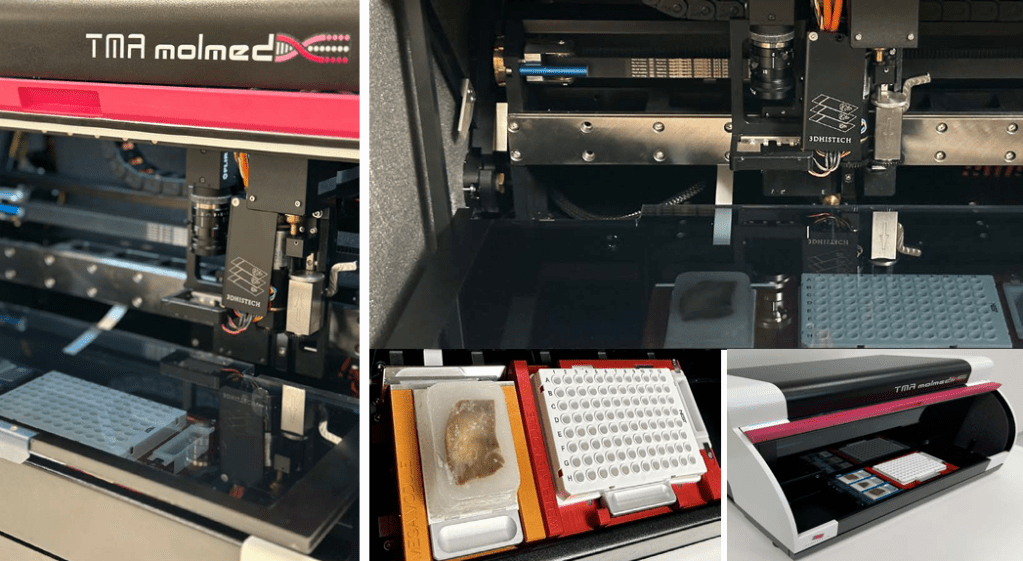
3DHISTECH針對數量上不同的需求,提供了先進的自動組織微陣列儀TMA Molmed,並搭配TMA Control軟體,實現組織微陣列提升量化研究的強大優勢。

主要特色

  • 全自動控制。
  • 自動化蠟塊高度測量,以提供更好的 TMA 蠟塊品質。
  • 客製化 recipient block 蠟塊的設計和製造。
  • 玻片掃描儀進行掃片時,可更精確地選擇組織核心(樣品)所在位置。Molmed組織微陣列儀遠勝於傳統 TMA樣本製作,因傳統 TMA樣本尺寸太大,難以聚焦特定病灶或微小區域,石蠟塊內部形態無法透過表面影像判讀,導致無法確認取樣是否精準對應病灶。
  • 微表層取樣技術(Micro Surface Sampling)最新開發的 TMA 採樣方式,專為分子分析與精準醫療所設計。樣本尺寸極小(Ø 0.2 mm × 0.3 mm),比傳統TMA小數倍。
  • 取自 FFPE 石蠟塊表層,對應影像可見形態進行定位,確保取樣區域與診斷區域一致。微表層取樣技術可完全對應已知病灶,大幅提升基因分析的準確性。
  • 微表層樣本與典型細胞群大小相近,適合針對微小組織區域進行分子分析。雖未達單細胞級別,但相比微切割(如 LCM雷射顯微切割)技術,其成本大幅降低。
  • 微表層樣本可直接應用於 PCR 試管或微量滴定板中,無需額外設備轉換流程。
  • 搭配 AI/影像系統可建立標準化流程,實現「病灶導向」的分子檢測。非常適合用於特定區域突變分析、微環境研究及藥物靶點區域選擇。

Intestinal Mucosal Barrier Improvement with Prebiotics: Histological Evaluation of Longish Glucomannan Hydrolysates-Induced Innate T Lymphocyte Activities in Mice

Shih-Chang Chang 1Hui-Hsun Chiang 2Chih-Yi Liu 3 4Yu-Ju Li 5Chung-Lun Lu 6Yung-Pin Lee 7Chi-Jung Huang 8 9Ching-Long Lai 10 11

Affiliations
  1. Division of Colorectal Surgery, Department of Surgery, Cathay General Hospital, Taipei 106438, Taiwan.
  2. School of Nursing, National Defense Medical Center, Taipei 114201, Taiwan.
  3. Division of Pathology, Sijhih Cathay General Hospital, New Taipei City 221037, Taiwan.
  4. School of Medicine, College of Medicine, Fu Jen Catholic University, New Taipei City 242062, Taiwan.
  5. Division of Cardiology, Department of Internal Medicine, Kaohsiung Medical University Hospital, Kaohsiung 80756, Taiwan.
  6. Aquatic Technology Research Center, Agricultural Technology Research Institute, Xiangshan, sinchu 300110, Taiwan.
  7. Research and Development, Healthy-Bioceuticals Company, Taipei 114201, Taiwan.
  8. Department of Medical Research, Cathay General Hospital, Taipei 106438, Taiwan.
  9. Department of Biochemistry, National Defense Medical Center, Taipei 114201, Taiwan.
  10. Division of Basic Medical Sciences, Department of Nursing, Chang Gung University of Science and Technology, Taoyuan 333324, Taiwan.
  11. Research Center for Chinese Herbal Medicine, Chang Gung University of Science and Technology, Taoyuan 333324, Taiwan.
ABSTRACT

Use of prebiotics is a growing topic in healthcare. A lightweight molecule and water-soluble fiber ingredient, longish glucomannan hydrolysates (LGH), has been developed to improve the intestinal mucosal barrier and confer gut health benefits. This study aims to investigate the implications of continuous LGH intervening in intestinal epithelium integrity and protective immunity against chemical dextran sodium sulfate (DSS)-induced colitis. Twelve male BALB/c mice were randomly arranged into four groups. The LGH/DSS group had results in bodyweight variance, epithelial cell density, and aberrancy score as good as the LGH group, and both were equivalent to the control group. LGH consumption effectively protects the distal intestinal epithelium by activating innate T lymphocytes. Meanwhile, T-cell subsets in subepithelial interspersion take a bystander role in these microenvironmental alterations. Under this stress, the cluster of differentiation 3 (CD3)+ T cells infiltrate the epithelium, while CD4+ T cells inversely appear in submucosal large lymphoid aggregates/isolated lymphoid follicles (ILFs) in which significant CD3+, CD4+, and CD8+ T-cell populations agglomerate. Moreover, forkhead box P3 (Foxp3) and interleukin 17 (IL-17) are observed in these ILFs. Agglomerated CD4+ T-cell lineages may have roles with proinflammatory T helper 17 cells and anti-inflammatory regulatory T cells in balancing responses to intraluminal antigens. Collectively, LGH administration may function in immune modulation to protect against DSS-induced inflammation.

Keywords: T-cell activation; colitis; glucomannan; lymphoid aggregates; prebiotics.

>Nutrients. 2022 May 26;14(11):2220. doi: 10.3390/nu14112220.

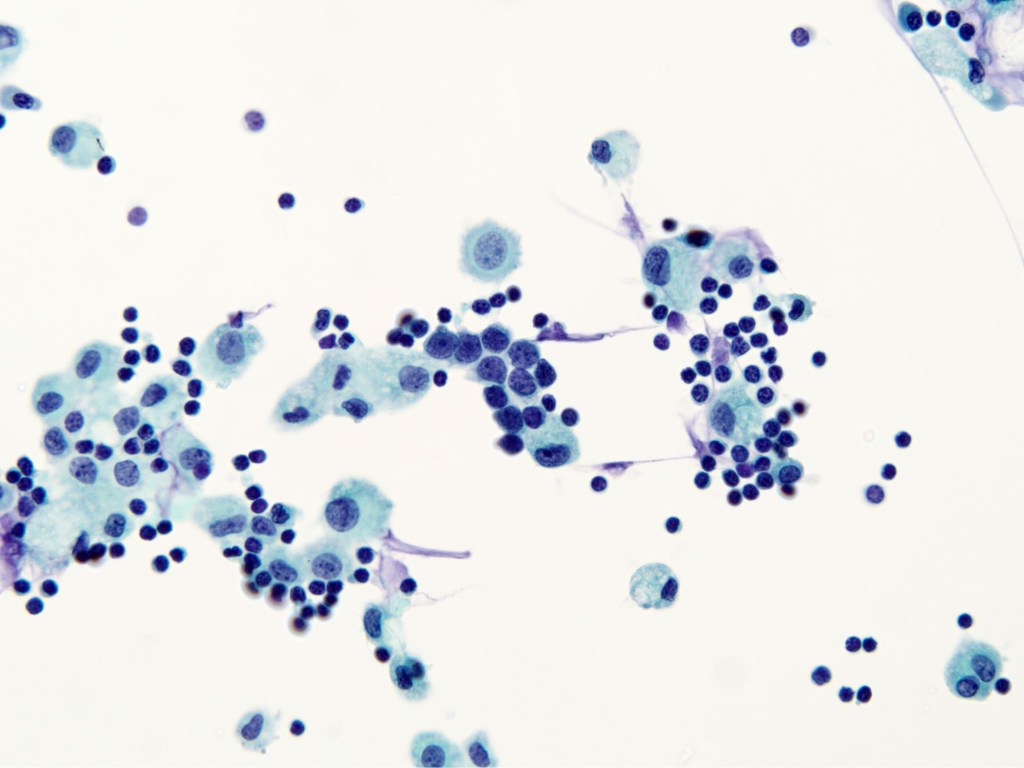
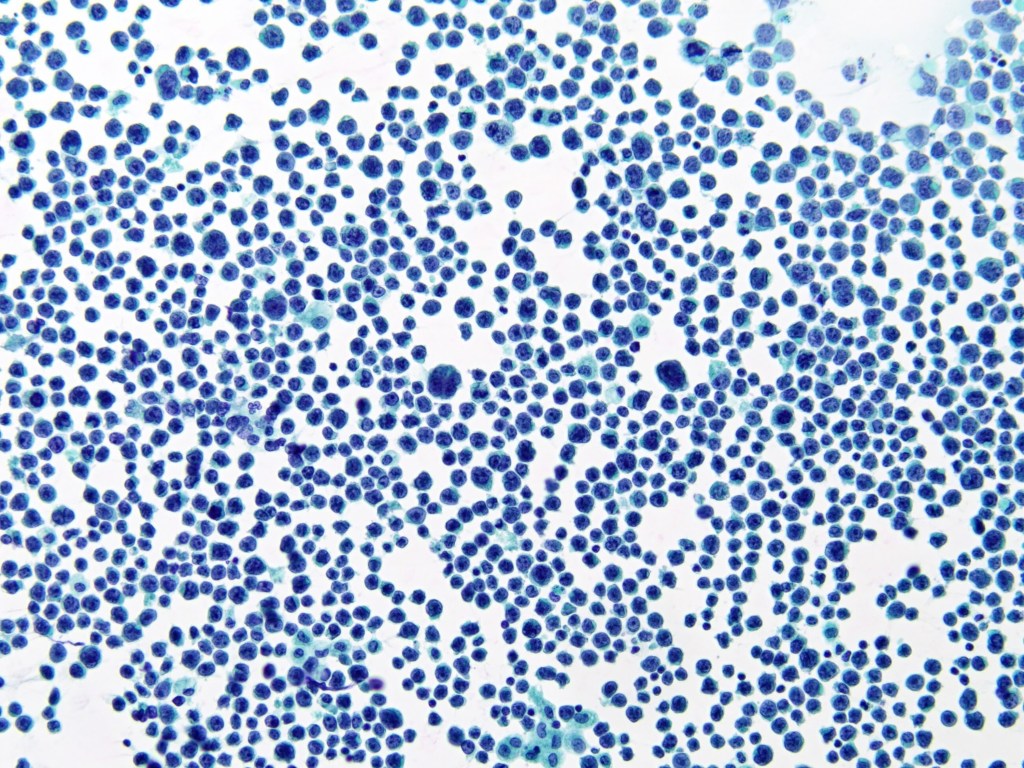
Primary Effusion Lymphoma: A Timely Review on the Association with HIV, HHV8, and EBV

Chih-Yi Liu 1 2Bo-Jung Chen 3 4Shih-Sung Chuang 5

Affiliations
  1. Division of Pathology, Sijhih Cathay General Hospital, New Taipei City 221, Taiwan.

  2. School of Medicine, College of Medicine, Fu Jen Catholic University, New Taipei City 221, Taiwan.
  3. Department of Pathology, Shuang Ho Hospital, Taipei Medical University, New Taipei City 221, Taiwan.
  4. Department of Pathology, School of Medicine, College of Medicine, Taipei Medical University, Taipei 110, Taiwan.
  5. Department of Pathology, Chi-Mei Medical Center, Tainan 710, Taiwan.

ABSTRACT

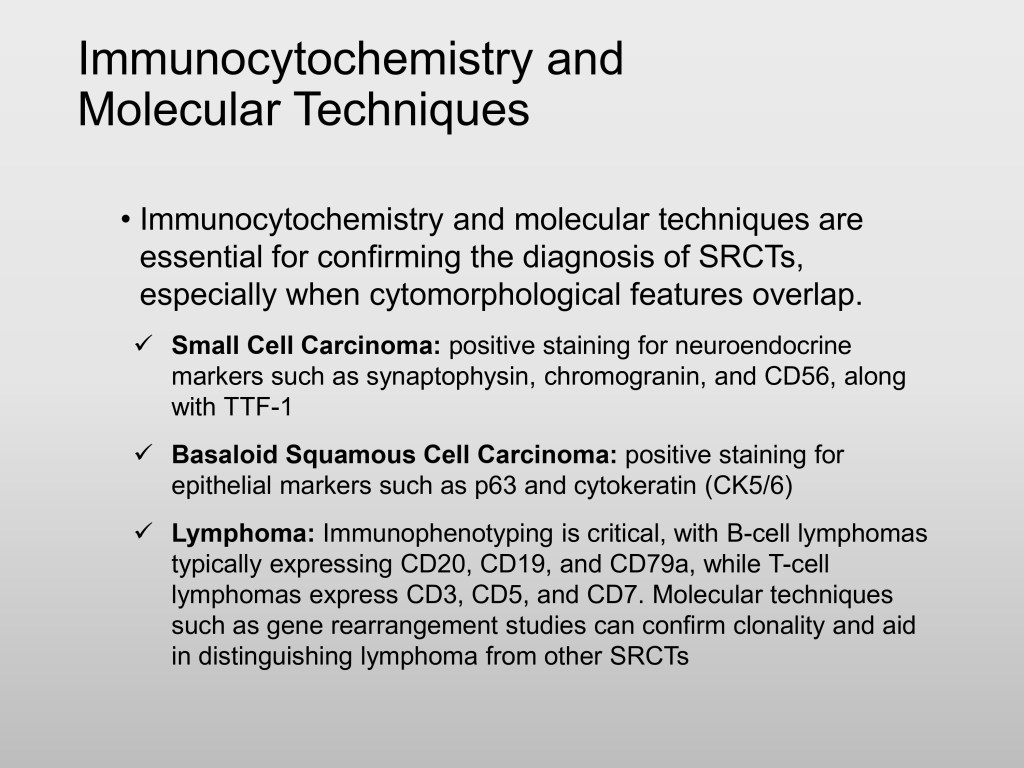
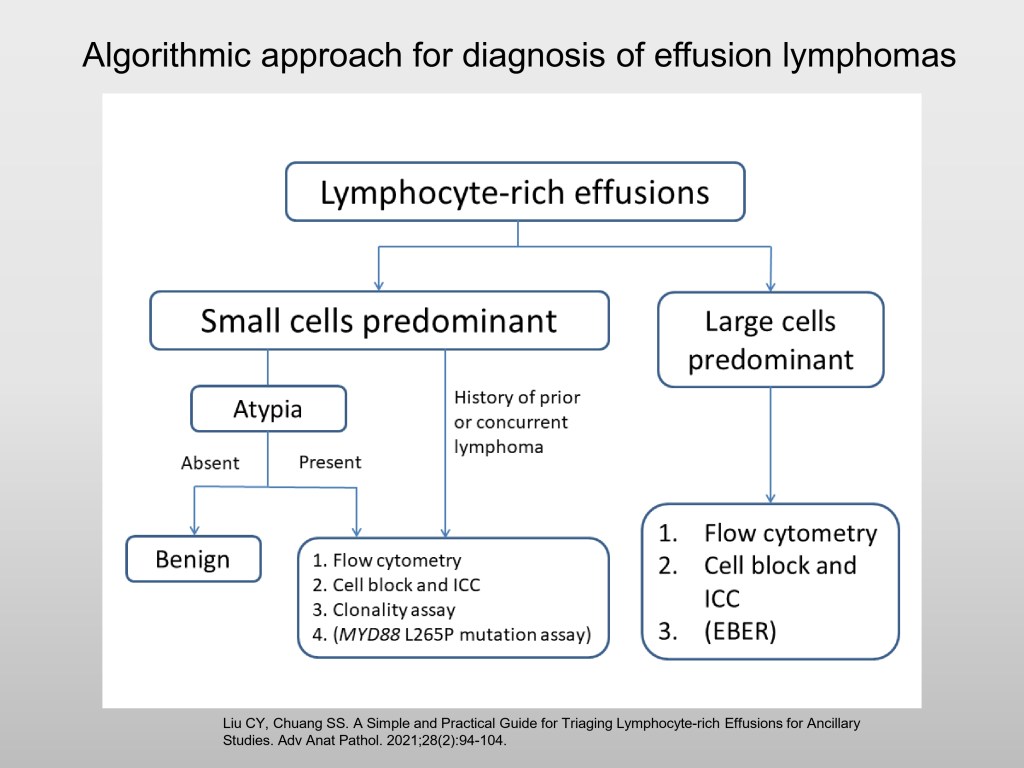
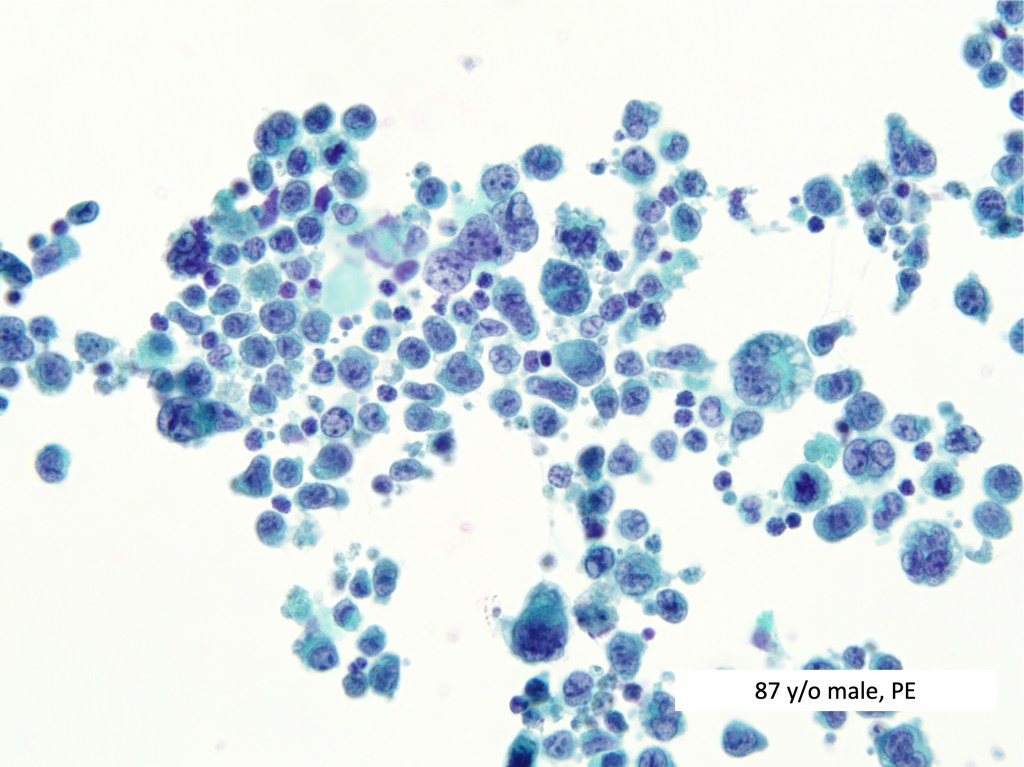
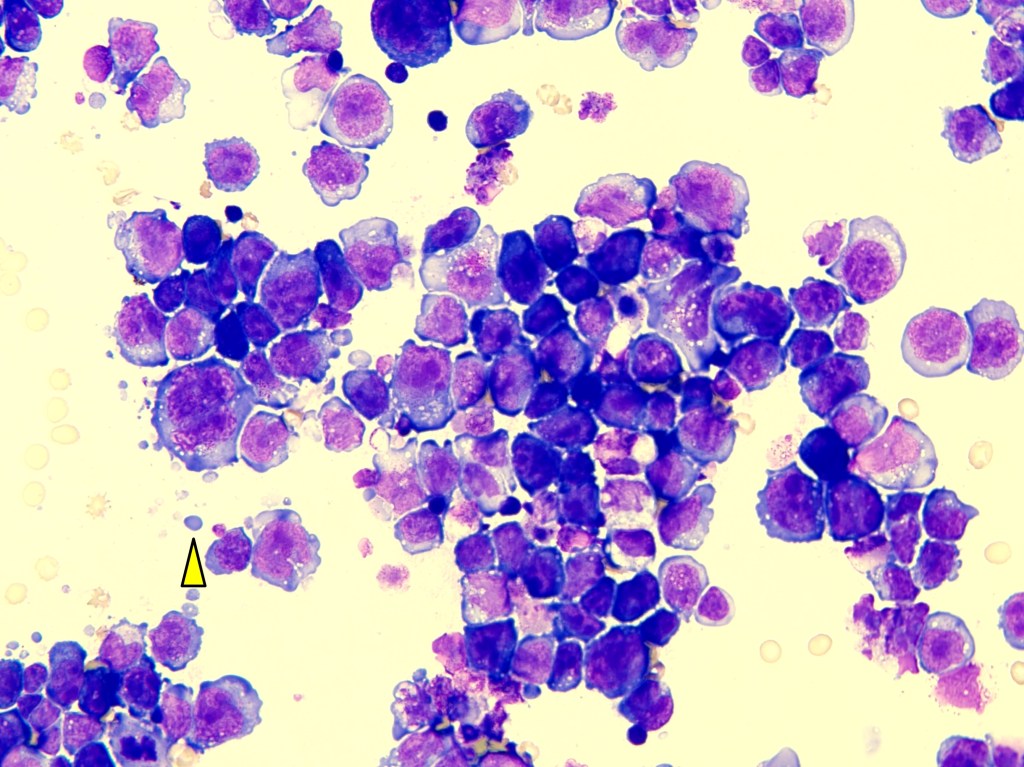
Primary effusion lymphoma (PEL) is defined by the WHO classification as a large B-cell neoplasm without detectable tumor masses. It is universally associated with HHV8, with most cases occurring in the setting of immunodeficiency such as HIV infection, and a poor prognosis. Morphologically, the neoplastic cells range from immunoblastic, plasmablastic, to anaplastic; and phenotypically, most cases express plasma cell but not B-cell markers, i.e., plasmablastic. During the past decade, primary HHV8-negative effusion lymphoma has been reported. Such cases were considered in the WHO classification scheme as effusion-based lymphoma. We performed a systemic review of 167 HHV8-negative effusion lymphomas from the literature and found that only 42% were associated with a fluid overload state, and with low rates of HIV (6%) or EBV (21%) infection. Furthermore, most patients are old (or immunosenescent) with underlying medical conditions/comorbidities, most neoplasms are of B-cell phenotype, and the outcome is more favorable than that of HHV8-positive PEL. These distinctive findings supported our prior proposal of designating these HHV8-negative cases as type II PEL, in contrast to the classic or type I PEL as defined by the WHO. Furthermore, we propose an algorithmic approach for the diagnosis of PEL and its mimickers.

Keywords: EBV; HHV8; HIV; effusion-based lymphoma; primary effusion lymphoma.

< Review >Diagnostics (Basel). 2022 Mar 15;12(3):713. doi: 10.3390/diagnostics12030713.

Magnolol may contribute to barrier function improvement on imiquimod-induced psoriasis-like dermatitis animal model via the downregulation of interleukin-23

Jiun-Wen Guo 1 2Yu-Pin Cheng 3Chih-Yi Liu 4Haw-Yueh Thong 5Yang Lo 3Chen-Yu Wu 3Shiou-Hwa Jee 3

Affiliations
  1. Department of Medical Research, Cathay General Hospital, Taipei 10630, Taiwan, R.O.C.
  2. College of Medicine, Fu Jen Catholic University, New Taipei City 24205, Taiwan, R.O.C.
  3. Department of Dermatology, Cathay General Hospital, Taipei 10630, Taiwan, R.O.C.
  4. Division of Pathology, Sijhih Cathay General Hospital, New Taipei City 22174, Taiwan, R.O.C.
  5. Department of Dermatology, Shin-Kong Wu Ho-Su Memorial Hospital, Taipei 11101, Taiwan, R.O.C.

ABSTRACT

Psoriasis is a chronic, recurrent, immune-mediated disease involving the skin and joints. Epidermal hyperproliferation, abnormal keratinocyte differentiation, angiogenesis with blood vessel dilatation, and excess T helper type-1 (Th-1) and Th-17 cell infiltration are the main histopathological features of psoriasis. Magnolol is a polyphenolic compound that exerts its biological properties through a variety of mechanisms such as the NF-κB/MAPK, Nrf2/HO-1 and PI3K/Akt pathways. Magnolol has been demonstrated to exert a number of therapeutic effects on dermatological processes, including acting as an anti-inflammation, antiproliferation and antioxidation agent. However, few studies have been published on the effect of magnolol on psoriasis. Therefore, the present study aimed to elucidate the mechanism of action of magnolol on psoriasis. BALB/c mice were treated topically with imiquimod (IMQ) to induce psoriasis-like dermatitis, and were randomly assigned to the control, vehicle control, low- and high-dose magnolol, and 0.25% desoximetasone ointment treatment groups in order to investigate skin barrier function, any changes in the levels of cytokines and for the histological assessment. High doses of magnolol were indicated to be able to improve the barrier function following IMQ-induced barrier disruption. Magnolol activated peroxisome proliferator-activated receptor-γ, and also significantly inhibited the protein expression of interleukin (IL)-23, IL-1β, IL-6, tumor necrosis factor-α and interferon-γ. However, administering a high dose of magnolol did not lead to any improvement in the clinical and pathological features of the psoriasis severity Taken together, these results demonstrated that downregulation of IL-23 may contribute to barrier function improvement in a psoriatic skin model.

Keywords: imiquimod; interleukin-17; interleukin-23; magnolol; psoriasis; skin barrier.

>>Exp Ther Med. 2021 May;21(5):448. doi: 10.3892/etm.2021.9876. Epub 2021 Mar 1.